Contents of this entry
A gift whose value is not immediately measurableLight in the passage of Cirith UngolPrimary referencesRelated encyclopedia entries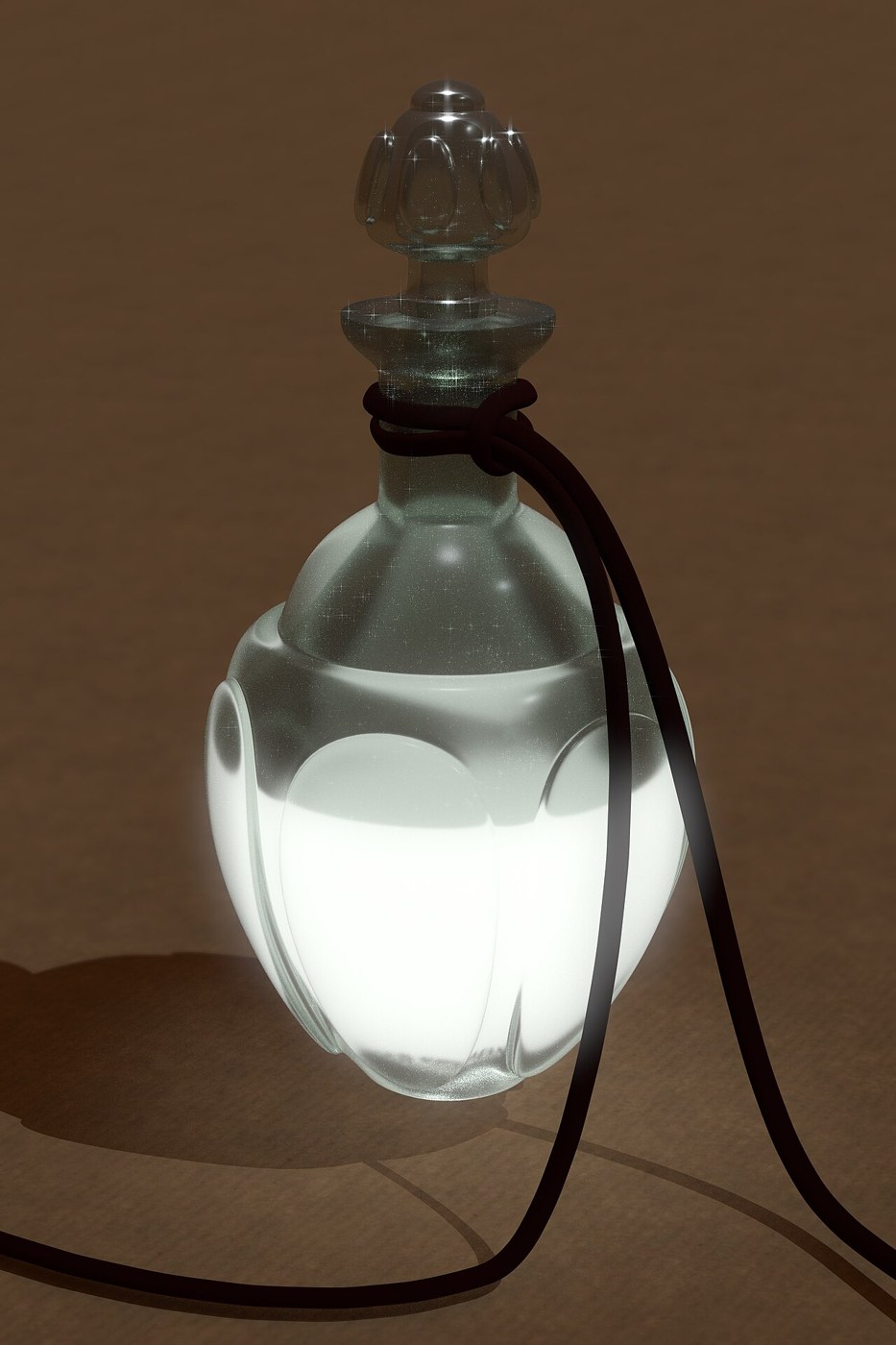
A gift whose value is not immediately measurable
Galadriel identifies the preserved light with Eärendil’s star. The connection does not make the vessel another Silmaril: the jewel’s light has a history of reflection and transmission, and the gift takes a different material form.
For Frodo, the phial is not initially a weapon with an obvious place in ordinary battle. Its value emerges when deprivation and darkness make even the ability to perceive and resist uncertain. Remembering the giver and the words associated with the gift becomes part of its use.
Light in the passage of Cirith Ungol
Frodo and Sam use the phial against Shelob, and Sam carries it into the effort to reach Frodo in the tower. Its brightness works within specific confrontations; it should not be turned into an unrestricted power capable of removing any darkness or defeating any enemy wherever carried.
The relation with Ungoliant’s descendant gives the encounter a larger historical resonance. Light once threatened in the early mythology becomes available to travellers who possess neither the strength nor the complete knowledge of that earlier world. They do not need to reproduce the original cosmic struggle in order for its remembered resources to matter.
As an object passed within a network of gifts, the phial also offers a contrast to the Ring. It assists without demanding possession of other wills. An account of its significance should keep that difference alongside its spectacular light, rather than reducing both objects to competing magical devices of different numerical strength.
Primary references
The Lord of the Rings, Book II, “Farewell to Lórien”; Book IV, “Shelob’s Lair”; Book VI, “The Tower of Cirith Ungol”; The Silmarillion, “Of the Voyage of Eärendil and the War of Wrath”.