Contents of this entry
The divided house of FinwëThe ride after the Battle of Sudden FlamePrimary referencesRelated encyclopedia entries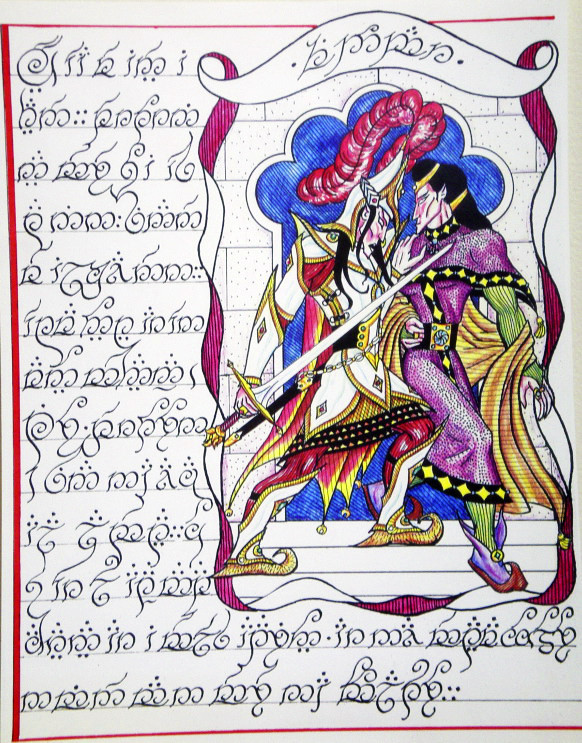
The divided house of Finwë
Fingolfin’s relationship with his half-brother Fëanor is strained by rivalry and the unrest encouraged by Melkor. After the death of Finwë, the theft of the Silmarils and the revolt, Fingolfin’s people follow the road into exile. Fëanor’s burning of the ships at Losgar leaves them to cross the Helcaraxë, the grinding northern ice.
The arrival in Middle-earth does not remove that wound. Fingon’s rescue of Maedhros and Maedhros’s renunciation of the supreme kingship help to repair relations among the exiles, and Fingolfin becomes High King. His rule belongs to the long defence of the northern lands against Angband.
The ride after the Battle of Sudden Flame
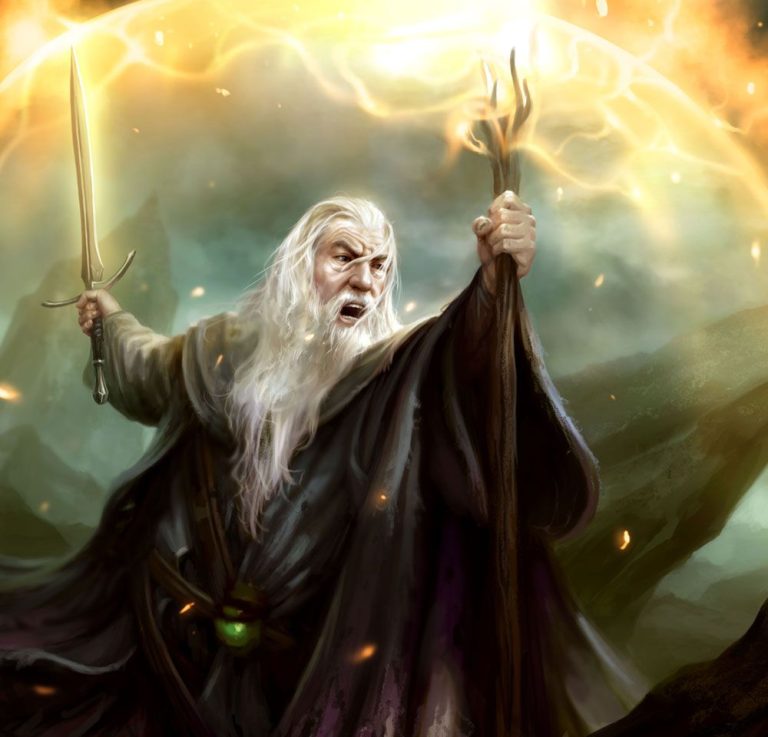
The Dagor Bragollach shatters the apparent stability of the siege. In grief and fury at what he believes to be the ruin of the Noldor, Fingolfin rides to Angband and challenges Morgoth. He wounds the enemy repeatedly but is eventually killed. Thorondor prevents the desecration of his body, and Turgon later raises his burial place.
The duel should not be read as evidence that victory over Morgoth was nearly a matter of finding a sufficiently talented swordsman. Fingolfin’s courage exposes the enemy’s fear and vulnerability, yet his isolated challenge cannot reverse the wider defeat. The grandeur of the action and its tragic limits remain together.
Fingolfin’s death transfers the kingship to Fingon and changes the balance among the Elven realms. Following that succession helps explain the later alliance and catastrophe of the Nirnaeth Arnoediad.
Primary references
The Silmarillion, “Of Fëanor and the Unchaining of Melkor”, “Of the Flight of the Noldor”, “Of the Return of the Noldor” and “Of the Ruin of Beleriand and the Fall of Fingolfin”.