Contents of this entry
Elwë, Melian and the making of DoriathThe demand for a SilmarilPrimary referencesRelated encyclopedia entries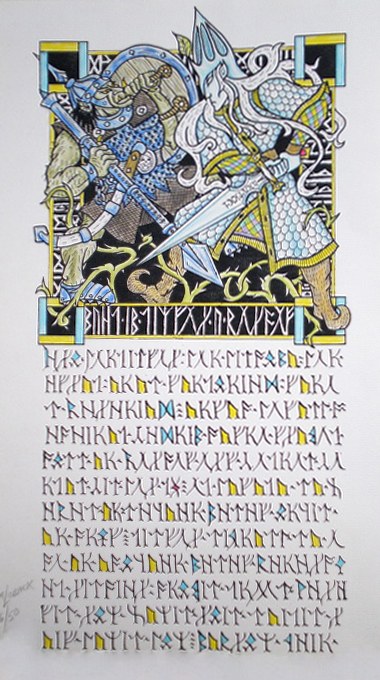
Elwë, Melian and the making of Doriath
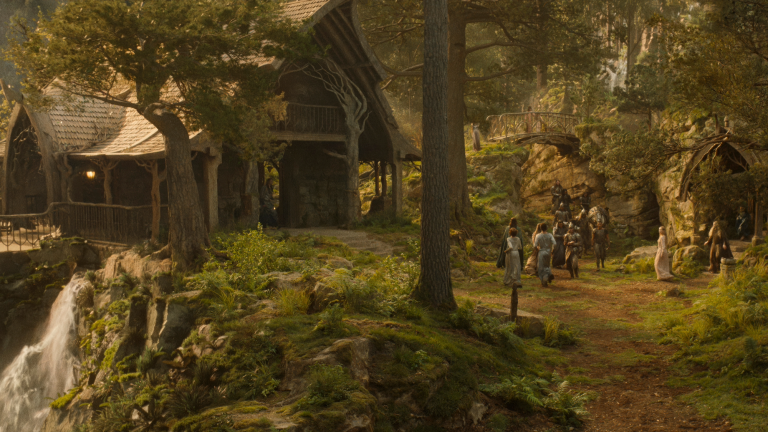
Elwë has seen the light of the West before returning to lead his people. His encounter with Melian interrupts the journey, and the life of the Sindar in Beleriand develops around a different historical experience from that of the exiled Noldor. Doriath’s protection and the halls of Menegroth express the resulting combination of royal authority, craft and Melian’s power.
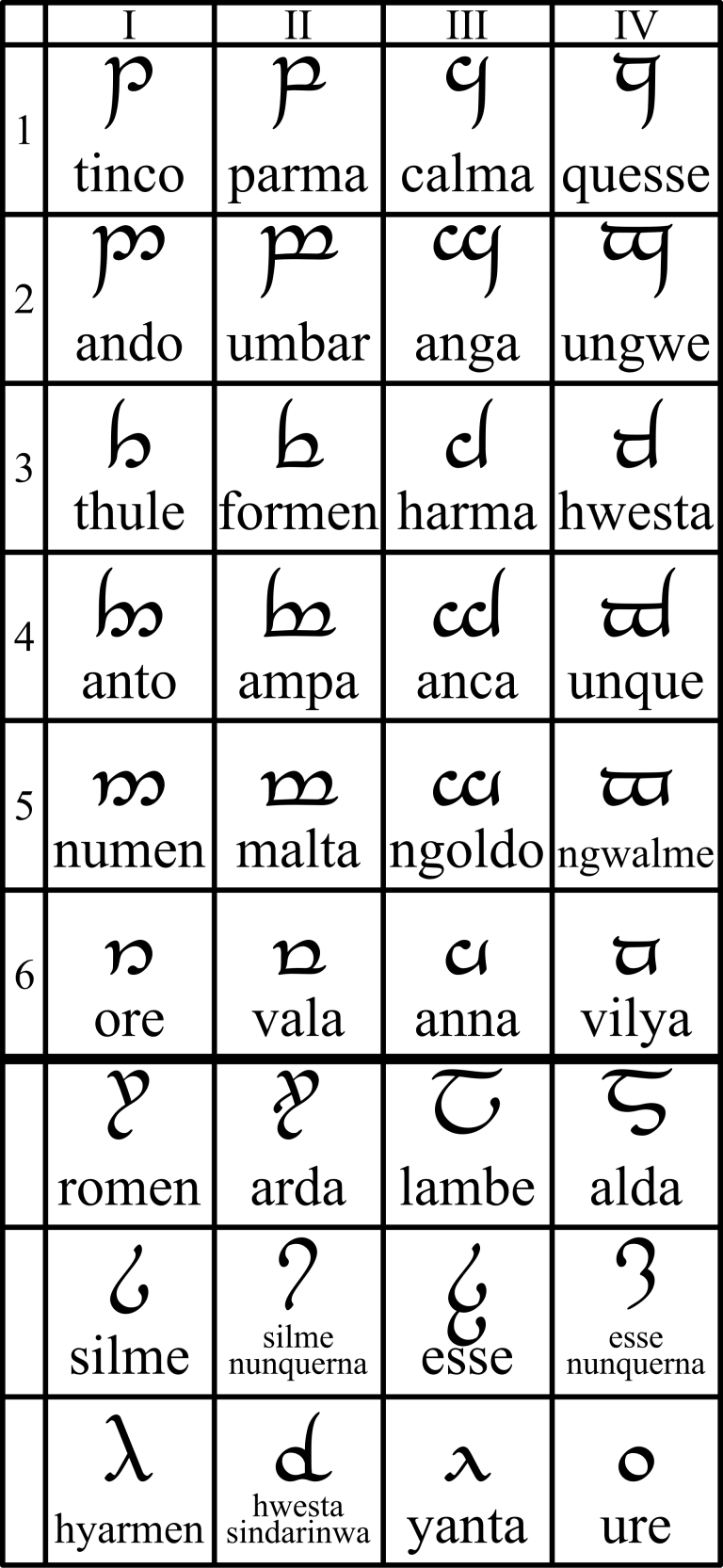
Thingol’s response to the Noldor is affected by the discovery of the Kinslaying at Alqualondë. His prohibition of Quenya in his realm gives political memory a linguistic consequence. The distinction between Sindarin and Quenya thus belongs to history as well as to the construction of languages.
The demand for a Silmaril
When Beren seeks Lúthien’s hand, Thingol demands a Silmaril from Morgoth’s crown. The intention is exclusion, but the quest draws the forbidden jewel into Doriath’s own future. Thingol must confront the success of an undertaking he treated as impossible and the costs incurred by the people he tried to separate.
Later, the desire to set the Silmaril in the Nauglamír brings him into a fatal quarrel with Dwarven craftsmen. His death removes the personal centre around which Melian’s protection has been maintained, and the kingdom enters a further history of violence.
The precise construction of the Doriath narrative raises editorial questions discussed by Christopher Tolkien in The War of the Jewels. A concise account can follow the published Silmarillion, provided it does not pretend that the finished chapter represents one untouched final manuscript left by its author.
Primary references
The Silmarillion, “Of Thingol and Melian”, “Of the Sindar”, “Of Beren and Lúthien” and “Of the Ruin of Doriath”; The War of the Jewels, discussion of the later Quenta Silmarillion.