Contents of this entry
A counsellor becomes a rivalThe voice and the smaller dominionPrimary referencesRelated encyclopedia entries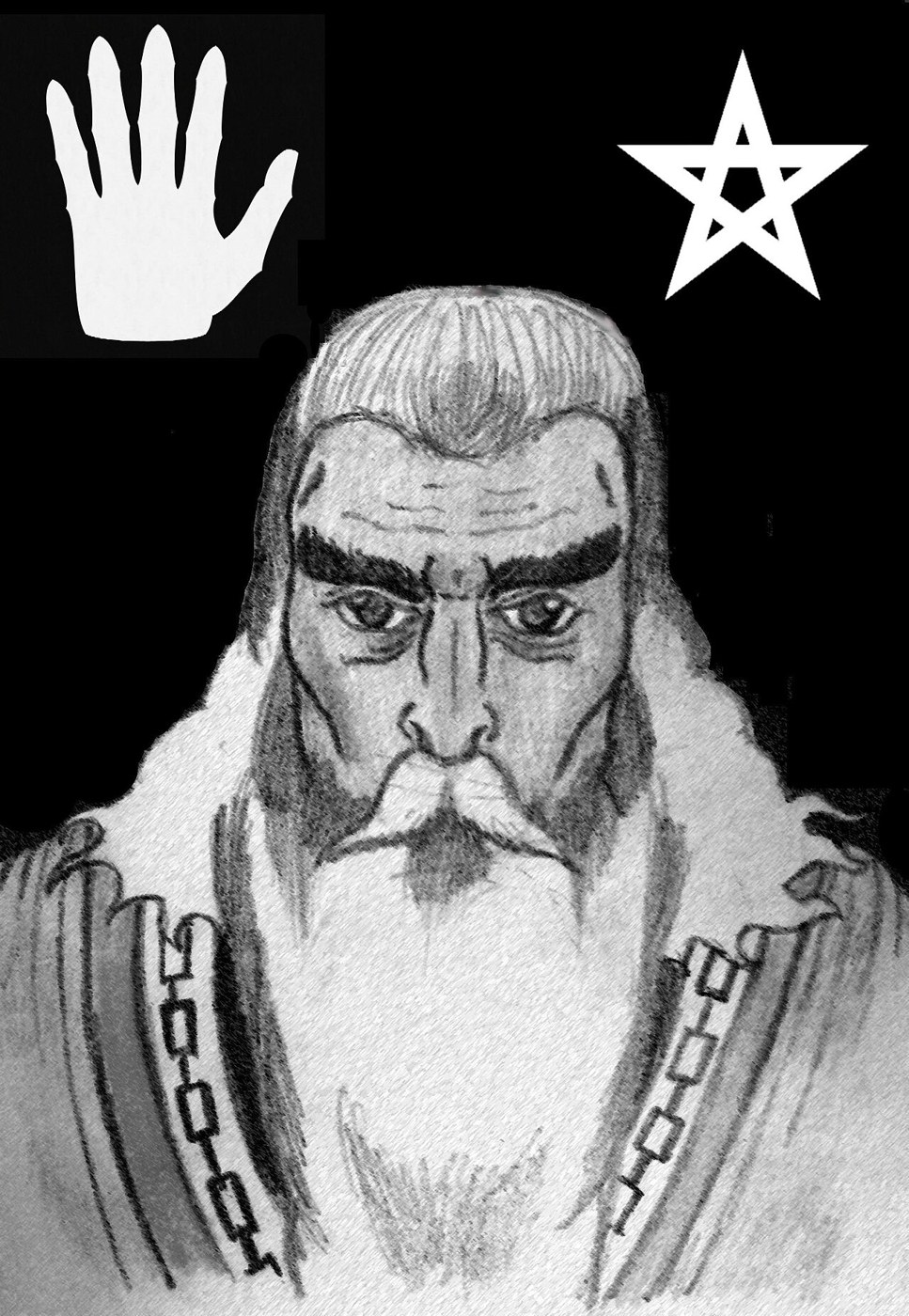
A counsellor becomes a rival
Saruman’s knowledge of the Rings gives him influence within the councils opposing Sauron. His residence in Orthanc provides a stronghold and access to a palantír. Over time, secrecy and possessiveness reshape his judgement. When Gandalf visits Isengard, Saruman proposes cooperation in gaining power and imprisons him when he refuses.
The destruction of Isengard’s living surroundings and its transformation into an organised war-machine give material form to that change. His forces attack Rohan, while Gríma’s advice weakens Théoden from within. Saruman treats speech, labour and landscape as resources to be directed towards a single controlling will.
The voice and the smaller dominion
Saruman’s voice remains dangerous after his military defeat. At Orthanc he tries to reframe responsibility and tempt his listeners into arrangements favourable to himself. Gandalf’s rejection strips him of his recognised authority, but defeat does not automatically produce repentance.
In the book, Saruman survives to exercise a diminished and vindictive domination over the Shire. His death there, and the rejection implied by the dissolution of his spirit, belong to the novel’s conclusion. Accounts based on the theatrical films alone omit this crucial continuation.
His fall is not explained by scholarship being inherently corrupt. Gandalf also seeks knowledge. The decisive issue is the belief that understanding an enemy’s instruments entitles the knower to command other people through them. Unfinished Tales further situates the Istari within a mission that requires assistance without domination, making the abandonment of that limit especially significant.
Primary references
The Lord of the Rings, Book II, “The Council of Elrond”; Book III, “The Voice of Saruman”; Book VI, “The Scouring of the Shire”; Unfinished Tales, “The Istari”.