Contents of this entry
Making and purposePossession and lossEffects and interpretationPrimary referencesRelated entries and essays
Making and purpose
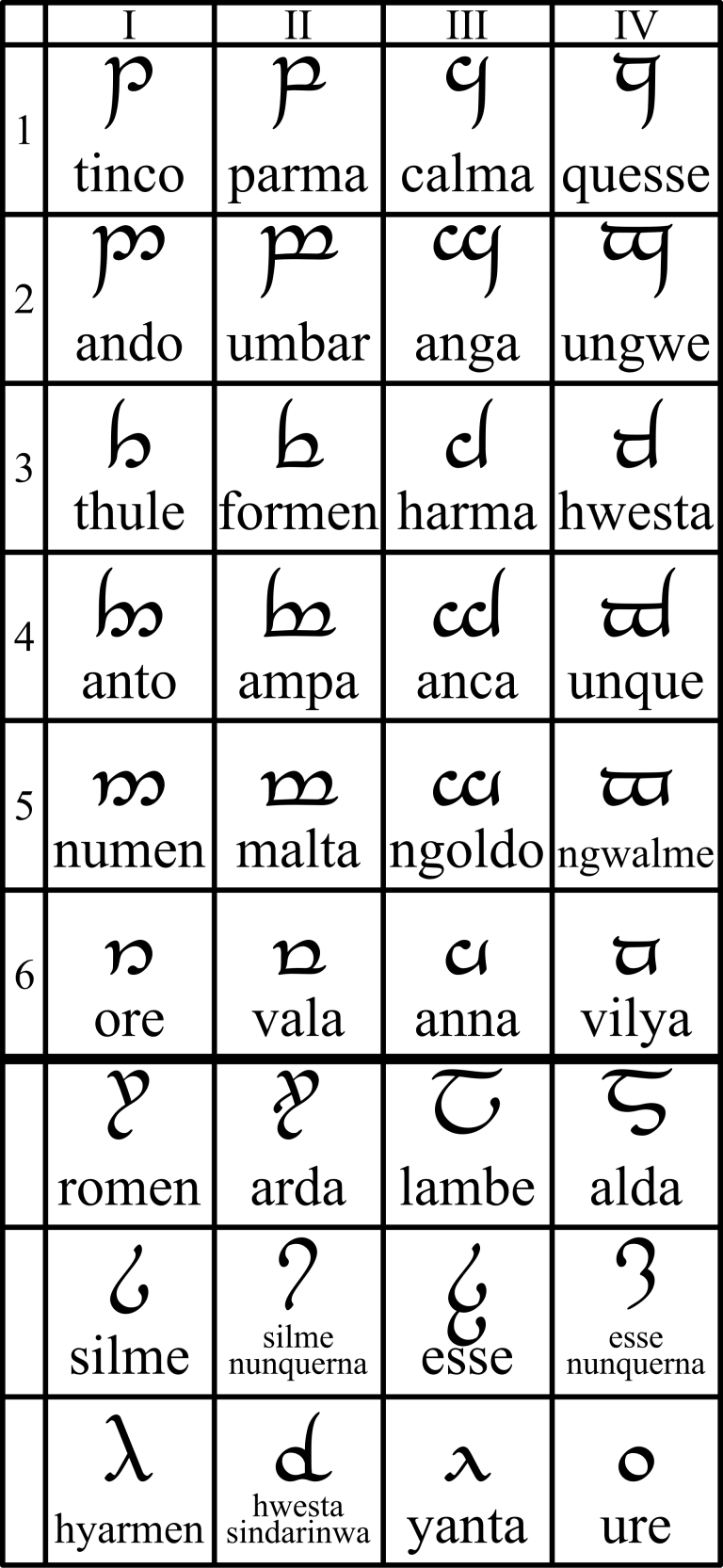
The Ring appears as a plain gold band, not a mithril ring. Its inscription is in the Black Speech, written in a form of Elvish lettering. Language and script are different: the use of Tengwar does not turn the words into Quenya or Sindarin. The inscription becomes visible when the Ring is heated.
The history of the Rings involves the smiths of Eregion and Sauron’s deceptive offer of knowledge. Celebrimbor makes the Three without Sauron directly touching them. They are nevertheless exposed to the intended domination of the One. It is therefore inaccurate to say that Sauron personally forged and distributed every one of the other nineteen Rings in an identical way.
Possession and loss
Isildur takes the Ring after Sauron’s defeat by the Last Alliance and retains it despite counsel to destroy it. It is lost in the Anduin after the ambush near the Gladden Fields. Déagol later finds it, and Sméagol murders him to take it. Bilbo discovers it beneath the Misty Mountains, eventually gives it up, and leaves it to Frodo.
At the Council of Elrond, the attempt to use the Ring against Sauron is rejected. Frodo carries it to Mount Doom but claims it at the final moment. Gollum takes it from him and falls into the fire, bringing about its destruction and Sauron’s permanent loss of effective power.
Effects and interpretation
The Ring can conceal an ordinary mortal wearer from normal sight, but invisibility does not make its bearer safe from Sauron’s servants or the unseen world. It also prolongs the lives of mortal possessors in a damaging way and works upon their desires. It is not a neutral instrument made morally harmless by a benevolent intention.
The narrative’s treatment of temptation, responsibility and mercy supports many philosophical readings. Such readings should be distinguished from claims about the Ring’s literal manufacture and history. The books also differ in important details from the film staging of its discovery, seizure and destruction.
Primary references
- The Fellowship of the Ring, “The Shadow of the Past” and “The Council of Elrond”.
- The Return of the King, “Mount Doom”.
- The Silmarillion, “Of the Rings of Power and the Third Age”.
- Unfinished Tales, “The Disaster of the Gladden Fields”.
- The Lord of the Rings, Appendix E, “Writing”.