Contents of this entry
The shadow behind the forestWithdrawal does not mean final defeatPrimary referencesRelated encyclopedia entries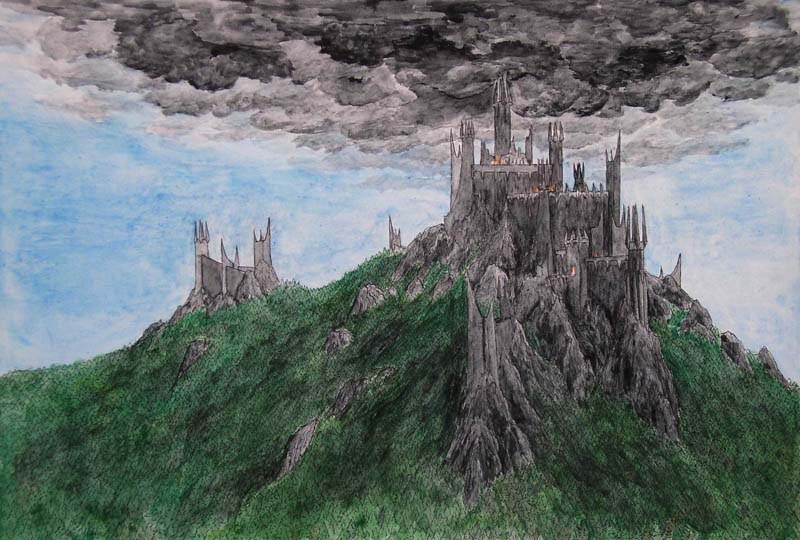
The shadow behind the forest
The name and history are associated with the darkening of Greenwood into Mirkwood. Dol Guldur’s influence extends through fear, corrupted places and hostile activity, but it should not be confused with the entire forest or the independent kingdom of its northern Elven ruler.
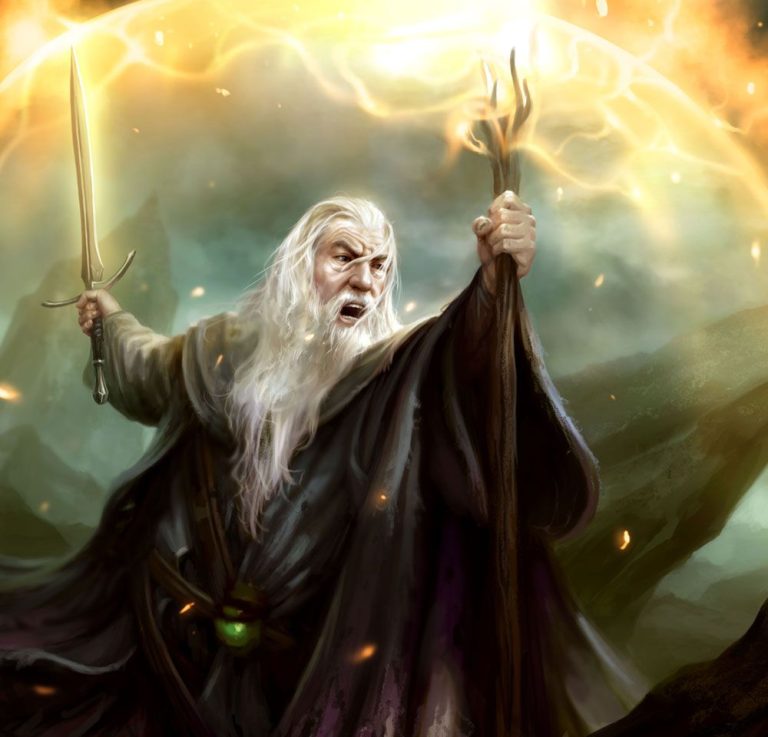
Gandalf investigates the stronghold and eventually establishes that the Necromancer is Sauron, not merely a lesser sorcerer or one of the Nazgûl. The distinction has strategic consequences. A hidden return requires a different response from an isolated local danger.
Withdrawal does not mean final defeat
In the year of Bilbo’s expedition, the White Council attacks Dol Guldur. Sauron’s retreat has been prepared, and he later returns openly to Mordor. The event is therefore important without being a final victory over the underlying threat.
The stronghold remains dangerous in the War of the Ring, when forces from it attack neighbouring lands. After Sauron’s fall, Galadriel destroys its remaining works and the forest enters a different order. Those later events are recorded in the Appendices rather than directly witnessed by the novel’s principal travellers.
The Hobbit films turn the investigation and Council conflict into major visible sequences. They can introduce the background, but their specific confrontations and visual treatment are adaptation choices. A book reference should distinguish the sparse narrative references, the later chronology and the additional discussions in Unfinished Tales.
Primary references
The Hobbit, “The Last Stage”; The Lord of the Rings, Book II, “The Council of Elrond”, and Appendix B; Unfinished Tales, “The Quest of Erebor” and “The Hunt for the Ring”.