Contents of this entry

Éowyn was a shieldmaiden of Rohan, daughter of Éomund and Théodwyn, younger sister of Éomer and niece of King Théoden. After the War of the Ring, she married Faramir and had one son with him, Elboron.
<p>Éowyn was a shieldmaiden of <a class="glossaryLink" aria-describedby="tt" data-cmtooltip="<div class=glossaryItemTitle>Rohan</div><div class=glossaryItemBody><!-- wp:paragraph -->Rohan, or the Riddermark (Rohirric), was a great kingdom of Men located in the land once known as Calenardhon, situated in the plains between the Misty Mountains and the White Mountains. The land of Rohan extended from the banks of the River Isen in the west, up to the East wall of Rohan and shores of the River Anduin in the east. The forest of Fangorn lay on its border, and the Elven forest of Lothlórien lay north of the River Limlight.<br/><!-- /wp:paragraph --><!-- wp:paragraph -->The land was known as "Rohan" to the Men of Gondor, and its people the Rohirrim, meaning 'the Horse-lords', but the people of Rohan called themselves the Eorlingas, sons of Eorl the Young, first King of Rohan.<br/><!-- /wp:paragraph --></div>" href="https://tolkienology.net/glossary/rohan/" data-gt-translate-attributes='[{"attribute":"data-cmtooltip", "format":"html"}]' tabindex='0' role='link'>Rohan</a>, daughter of Éomund and Théodwyn, younger sister of <a class="glossaryLink" aria-describedby="tt" data-cmtooltip="<div class=glossaryItemTitle>Éomer</div><div class=glossaryItemBody><div class="tko-encyclopedia-entry"><strong>Éomer, son of Éomund, is a Marshal of the Mark who becomes King of Rohan after Théoden&#x27;s death. His story joins immediate military judgement to a lasting alliance with Aragorn and the renewed kingdom of Gondor.</strong><br/>A rider&#x27;s judgement in a divided countryÉomer first encounters Aragorn, Legolas and Gimli while returning from the destruction of an Orc-band on the plains of Rohan. He must judge strangers at a time when Saruman's influence has made trust dangerous. Lending them horses is a consequential exercise of discretion rather than a routine courtesy.<br/>His opposition to Gríma places him in conflict with the conditions surrounding Théoden's weakened rule. When Gandalf restores the king to action, Éomer again takes his place in the defence of Rohan. The book's account of his presence and activity at Helm's Deep differs from the films, where his return supplies a climactic reinforcement.<br/>From vengeance to kingshipAt the Pelennor, Éomer finds Théoden dead and believes Éowyn dead as well. The shock drives him towards a furious determination to fight on regardless of survival. The later sight of Aragorn's banner aboard the approaching ships changes the apparent military situation and enables hope to return to his command.<br/><strong>His succession is also a renewal of friendship.</strong> The association with Aragorn begins before either man occupies his final royal position, and the political alliance has been tested through concrete acts of trust. After the war, Éomer rules as the first king of Rohan's Third Line and maintains the bond between the two realms.<br/>The title <em>Éadig</em>, generally rendered "the Blessed”, belongs to this later remembrance. It should not obscure the losses through which the reign begins: kingship comes through the deaths of close family and the survival of a country nearly overcome, not through a simple ascent detached from mourning.<br/>Primary references<em>The Lord of the Rings</em>, Book III, "The Riders of Rohan” and "The King of the Golden Hall”; Book V, "The Battle of the Pelennor Fields”; Appendix A, "The House of Eorl”.<br/>Related encyclopedia entriesThéoden<br/>Éowyn<br/>Rohan<br/>Aragorn<br/><br/></div>" href="https://tolkienology.net/glossary/eomer/" data-gt-translate-attributes='[{"attribute":"data-cmtooltip", "format":"html"}]' tabindex='0' role='link'>Éomer</a> and niece of King <a class="glossaryLink" aria-describedby="tt" data-cmtooltip="<div class=glossaryItemTitle>Théoden</div><div class=glossaryItemBody><div class="tko-encyclopedia-entry"><strong>Théoden, son of Thengel, is King of Rohan when the War of the Ring reaches its decisive stage. His recovery from isolation and his final ride connect personal renewal with the duties and risks of kingship.</strong><br/>The king in MeduseldWhen Gandalf and his companions arrive at Edoras, Théoden's household is dominated by the counsel of Gríma Wormtongue. The king has been drawn into distrust, weariness and inactivity while Saruman's threat grows. Gandalf breaks the hold of that counsel and calls him back towards action, but the literary scene should not automatically be described in terms of the film's visible bodily possession by Saruman.<br/>Théoden's decision to ride immediately exposes him to military danger. He leads his people through the defence of the Hornburg, negotiates the encounter with the defeated Saruman and prepares to answer Gondor's need. His authority has to be exercised among competing obligations, including the protection of those unable to ride to war.<br/>The last ride and the meaning of serviceAt the <strong>Pelennor Fields</strong>, Théoden leads the charge that breaks into the besieging forces. His death comes when his horse falls beneath him in the encounter with the Lord of the Nazgûl. Éowyn and Merry confront the enemy beside the fallen king, while Éomer succeeds to the command of the Rohirrim.<br/>The story places Théoden within a tradition of heroic poetry, but his dignity does not depend on escaping mortality. His last actions make a public obligation his own, and the mourning that follows preserves both the king and the man. Merry's service is part of that remembrance: loyalty in the household becomes a personal history rather than a merely formal allegiance.<br/>References to Rohan's heroic culture should therefore keep its losses in view. The grandeur of the ride and the grief after it are complementary parts of Tolkien's account, not competing versions of whether war is glorious.<br/>Primary references<em>The Lord of the Rings</em>, Book III, "The King of the Golden Hall” and "Helm's Deep”; Book V, "The Ride of the Rohirrim” and "The Battle of the Pelennor Fields”; Appendix A, "The House of Eorl”.<br/>Related encyclopedia entriesÉomer<br/>Éowyn<br/>Rohan<br/>Helm&#x27;s Deep<br/><br/></div>" href="https://tolkienology.net/glossary/theoden/" data-gt-translate-attributes='[{"attribute":"data-cmtooltip", "format":"html"}]' tabindex="0" role="link">Théoden</a>. After the War of the Ring, she married <a class="glossaryLink" aria-describedby="tt" data-cmtooltip="<div class=glossaryItemTitle>Faramir</div><div class=glossaryItemBody><div class="tko-encyclopedia-entry"><strong>Faramir is Denethor&#x27;s younger son, Boromir&#x27;s brother and a captain of Gondor. His encounter with Frodo and Sam in Ithilien tests whether wisdom and restraint can survive within a kingdom under severe military pressure.</strong><br/>Ithilien and the choice of meansFaramir's Rangers capture the travellers near the borders of Mordor. He questions them carefully, learns of Boromir's death and gradually discovers the nature of their burden. Unlike Boromir, he refuses to make Gondor's need a sufficient argument for taking the Ring. His decision is deliberate, not a failure to understand its possible military value.<br/>The refuge of Henneth Annûn reveals a defender who combines practical vigilance with knowledge of older history. He can distinguish an enemy's policy from the individual people caught within it, while remaining responsible for the safety of his own men. His courteous manner does not make him incapable of force; it shows that discernment and command need not be opposites.<br/>Denethor, Éowyn and the renewal of GondorThe relationship with <strong>Denethor</strong> is marked by grief, judgement and the father's preference for Boromir. During the retreat towards Minas Tirith, Faramir is gravely wounded. Denethor's despair turns his apparent approaching death into a crisis within the city, and rescue from the pyre becomes necessary before healing can begin.<br/>In the Houses of Healing, Faramir's relationship with Éowyn develops through conversation about hope, desire and the wish to escape an intolerable life. After the war he retains the Stewardship and becomes Prince of Ithilien under King Elessar. The restoration gives him an active future in a renewed country rather than merely rewarding his earlier refusal.<br/>The film adaptation substantially changes the Ithilien episode by bringing the hobbits towards Osgiliath. A reference account of Faramir's moral choice should identify that change explicitly and follow the narrative of the book when discussing Tolkien's character.<br/>Primary references<em>The Lord of the Rings</em>, Book IV, "Of Herbs and Stewed Rabbit”, "The Window on the West” and "The Forbidden Pool”; Book V, "The Pyre of Denethor”; Book VI, "The Steward and the King”.<br/>Related encyclopedia entriesBoromir<br/>Denethor II<br/>Éowyn<br/>Gondor<br/><br/></div>" href="https://tolkienology.net/glossary/faramir/" data-gt-translate-attributes='[{"attribute":"data-cmtooltip", "format":"html"}]' tabindex="0" role="link">Faramir</a> and had one son with him, Elboron.</p>
Éowyn was a shieldmaiden of Rohan, daughter of Éomund and Théodwyn, younger sister of Éomer and niece of King Théoden. After the War of the Ring, she married Faramir and had one son with him, Elboron.
The Noldor are one of the principal kindreds of the Eldar, distinguished in Tolkien’s histories by their learning, craftsmanship and central role in the rebellion and…
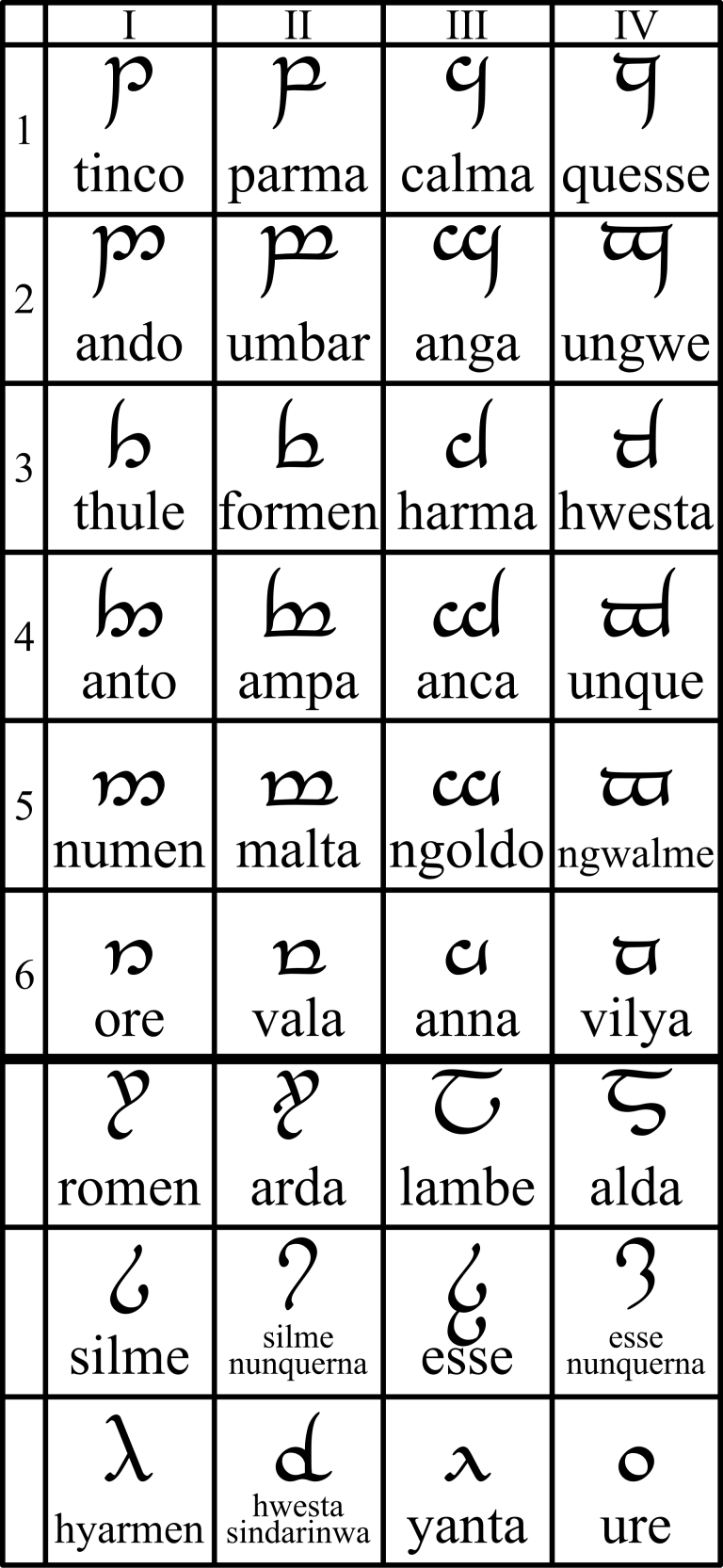
The Tengwar are a writing system devised by Tolkien, attributed within the legendarium to Fëanor. They are characters that can be used to represent different languages,…
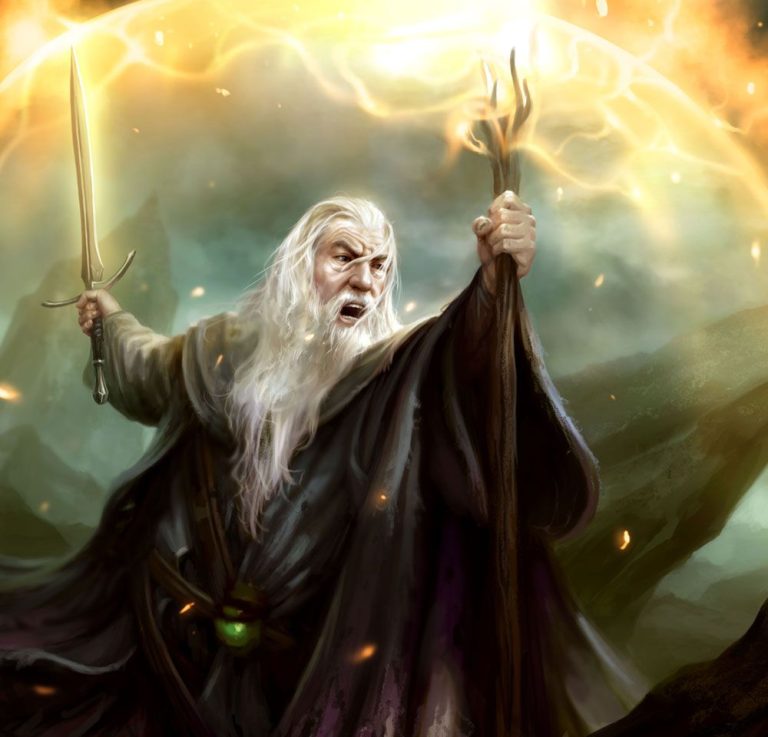
Gandalf is one of the Istari, the emissaries sent to assist the peoples of Middle-earth against Sauron. He is a Maia, known in the West as…
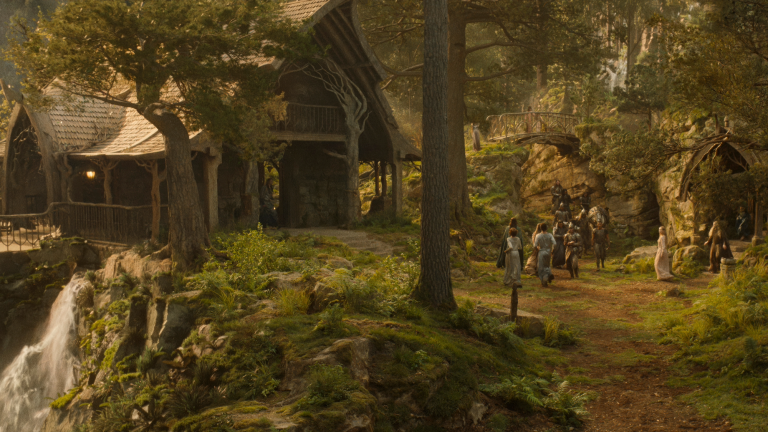
Rivendell, called Imladris in Sindarin, is Elrond’s refuge in a hidden valley west of the Misty Mountains. It is a major centre of Elven memory, healing…